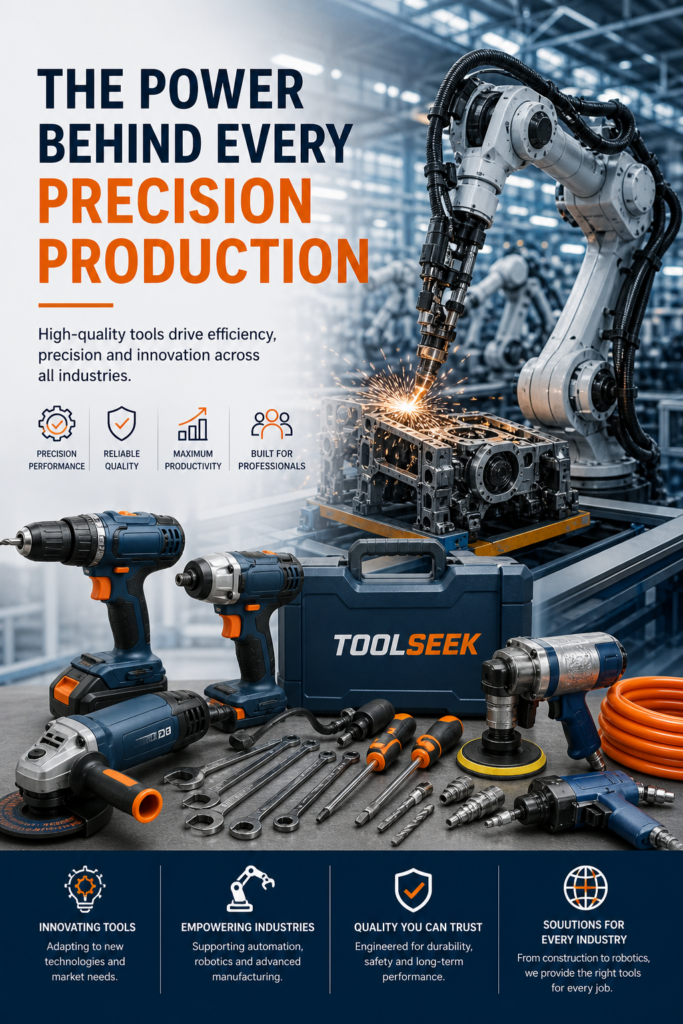


In today’s fast-changing industrial world, tools are more than just equipment—they are the foundation of modern manufacturing. From construction and automotive production to electronics and robotics, tools play a critical role in improving efficiency, precision, safety, and productivity. As industries continue to evolve with automation and smart technology, the demand for advanced, reliable, and high-performance tools has never been greater.
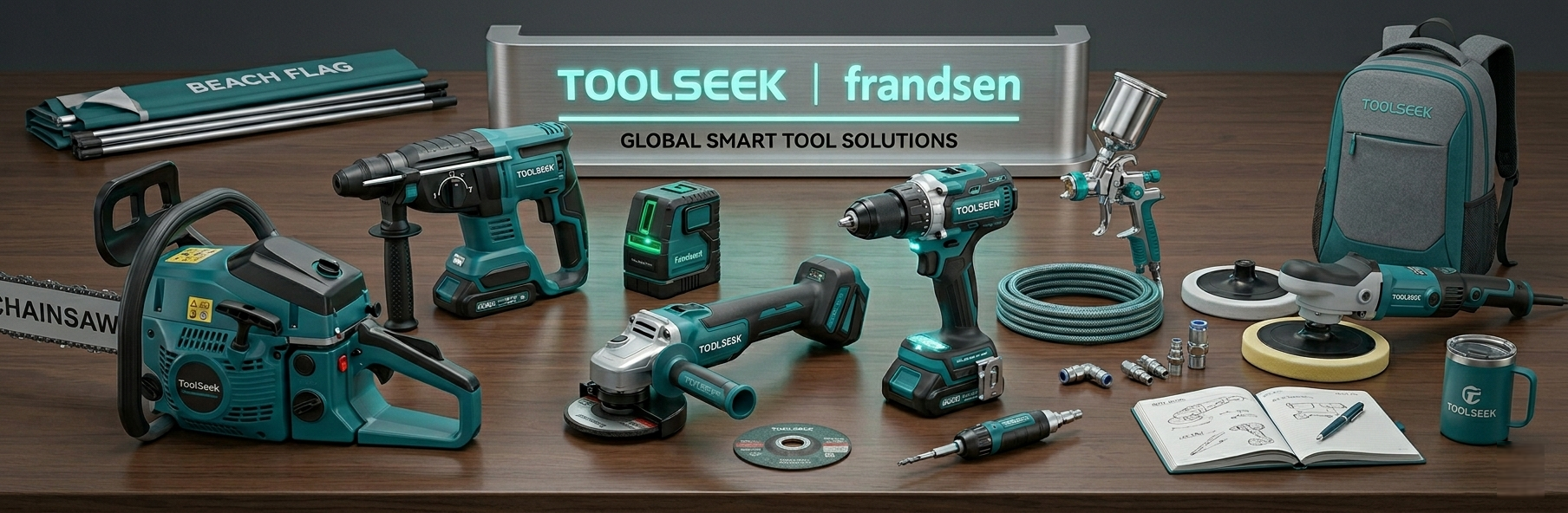
Modern manufacturing depends heavily on a wide range of tools, including power tools, pneumatic equipment, cutting tools, polishing systems, assembly equipment, and industrial accessories. These tools help manufacturers complete tasks faster and more accurately while reducing labor intensity and operational costs. In highly competitive industries, having the right tools can significantly improve production speed, product consistency, and overall quality control.
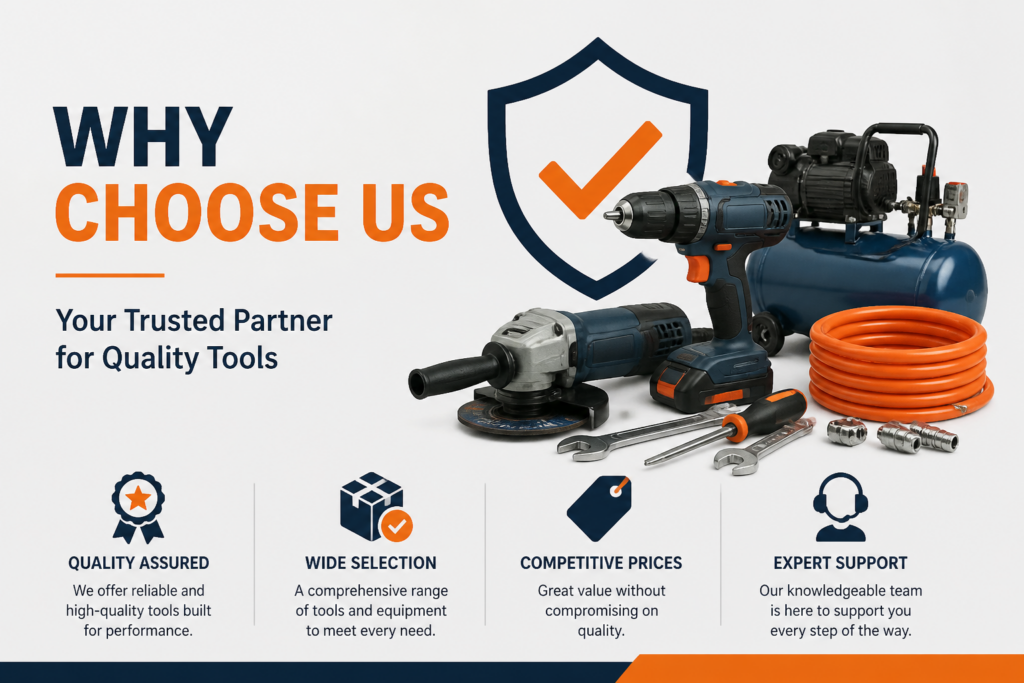
One of the industries most influenced by tool innovation is robot manufacturing. Robots are now widely used in factories for welding, assembly, packaging, inspection, and material handling. However, behind every robot production line is a complex system of tools that makes the manufacturing process possible. Precision drills, torque-controlled screwdrivers, grinders, polishing machines, pneumatic systems, and calibration tools are all essential in building robotic systems with high accuracy and reliability.
Robot manufacturing requires extremely precise assembly processes because even the smallest error can affect performance. Specialized tools allow engineers and technicians to assemble robotic components with micron-level precision. Advanced electric and cordless tools equipped with smart sensors and torque control systems are increasingly used to ensure consistency and reduce human error during production.
In addition, automated manufacturing itself is transforming the tool industry. Traditional hand tools are evolving into smart tools integrated with digital technologies such as IoT monitoring, battery optimization, AI-assisted control systems, and ergonomic designs. Manufacturers now expect tools to be more efficient, lightweight, energy-saving, and adaptable to automated production environments.
Cordless technology is another major trend shaping the future of tools. Modern lithium battery systems have allowed cordless drills, impact drivers, and grinders to deliver power levels once only possible with corded equipment. This improves mobility and flexibility on production floors while reducing cable-related safety risks. At the same time, pneumatic and electric tools continue to become quieter, more durable, and more energy efficient to meet environmental and workplace standards.
As industries move toward Industry 4.0 and smart factories, tools are becoming increasingly connected and intelligent. Smart tools can now collect operational data, monitor performance, predict maintenance needs, and improve workflow efficiency through real-time analysis. These innovations help manufacturers reduce downtime, optimize productivity, and maintain higher manufacturing standards.
The growing demand for robotics, automation, renewable energy systems, and precision engineering will continue driving innovation in the tool industry. Manufacturers today need tools that are not only powerful and reliable but also adaptable to rapidly changing technologies and market demands. Companies that invest in advanced tools and equipment are better positioned to improve efficiency, maintain product quality, and stay competitive in the global market.
At ToolSeek, we understand the vital role tools play in modern manufacturing and industrial development. That is why we are committed to supplying high-quality tools and equipment that meet the evolving needs of today’s industries—from traditional manufacturing to advanced robotic production systems. As technology continues to shape the future, the right tools will remain essential in building smarter, faster, and more efficient industries worldwide.