

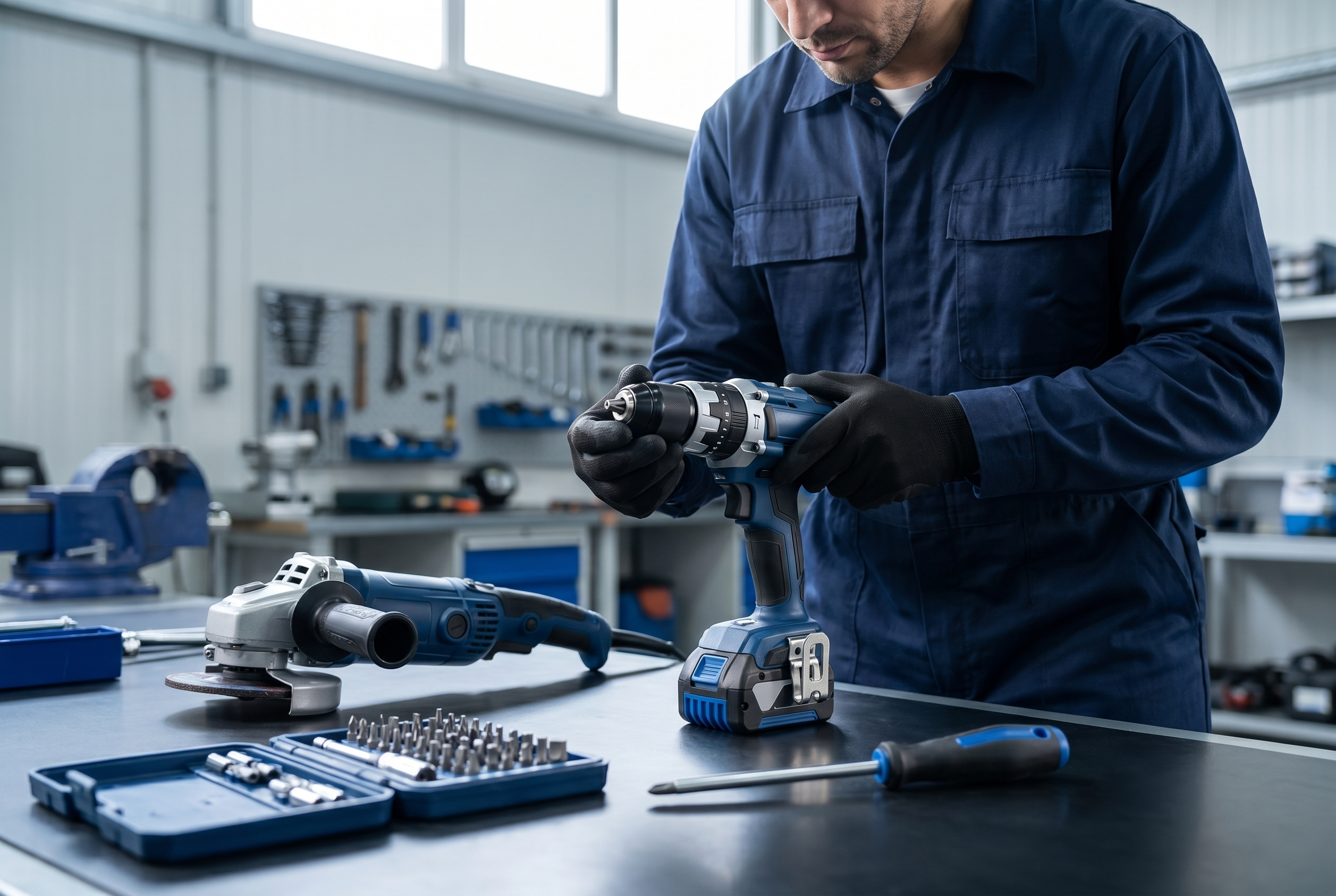

Power tools are essential for construction, manufacturing, maintenance, and DIY projects. Whether you’re using a cordless drill, angle grinder, impact driver, or circular saw, proper operation and maintenance directly affect performance and lifespan.
Unfortunately, many users unknowingly make mistakes that shorten tool life, increase repair costs, and create safety risks. In this guide, we’ll explore the most common power tool mistakes and explain how to avoid them.
1. Ignoring Regular Cleaning
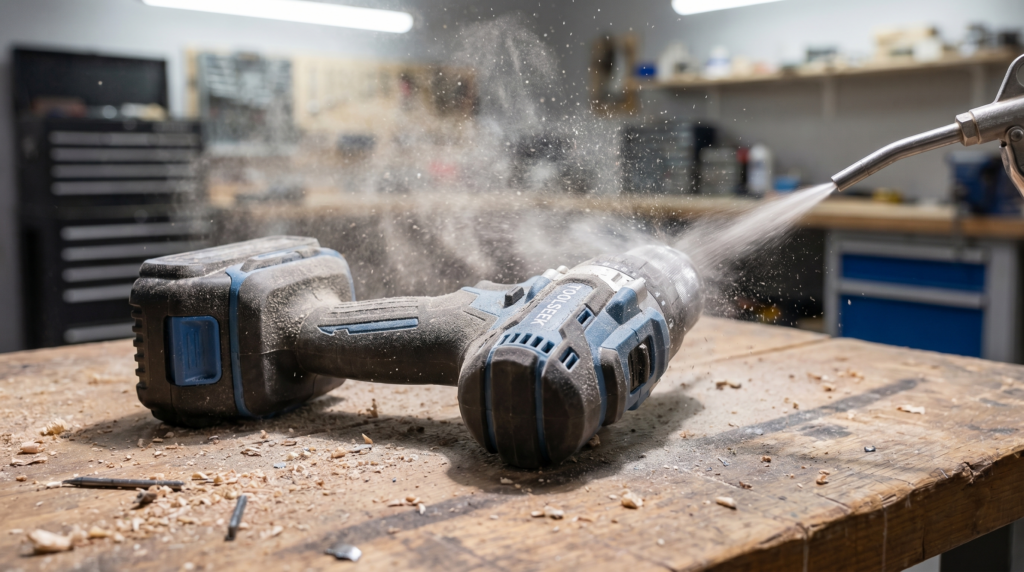
Dust, metal shavings, wood particles, and debris can accumulate inside vents and moving components.
Over time, blocked ventilation causes overheating and excessive wear on internal parts.
How to avoid it:
* Clean tools after every use
* Use compressed air to clear ventilation slots
* Remove debris from moving components
* Store tools in clean environments
Regular cleaning can significantly extend motor life and improve performance.
2. Using the Wrong Tool for the Job
One of the most common mistakes is forcing a tool to perform tasks it wasn’t designed for.
Examples include:
* Using a drill as a mixer
* Using an angle grinder for cutting unsuitable materials
* Applying excessive force during drilling
Using the wrong tool increases stress on motors, gears, and bearings.
How to avoid it:
Always select the correct tool and accessory for the specific application.
3. Skipping Accessory Inspections
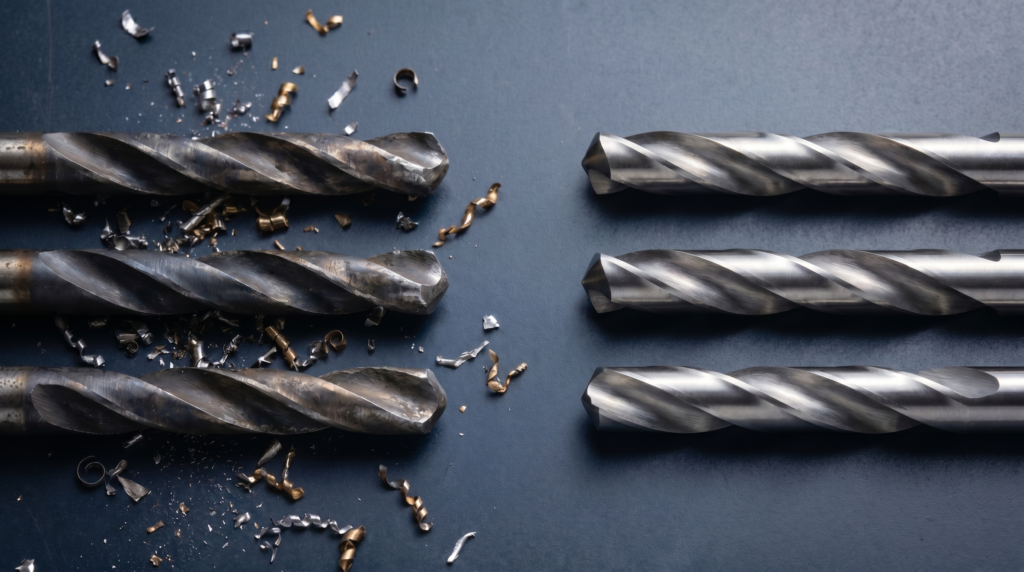
Worn accessories can damage both the tool and the workpiece.
Common examples:
* Dull drill bits
* Cracked grinding discs
* Damaged cutting blades
These accessories force motors to work harder and create additional vibration.
How to avoid it:
Inspect accessories before each use and replace worn components immediately.
4. Overheating the Tool
Continuous operation without breaks can overheat internal components.
Warning signs include:
* Hot housing
* Reduced power
* Burning smell
* Automatic shutdown
How to avoid it:
Allow tools to cool periodically during heavy-duty tasks.
Follow manufacturer duty-cycle recommendations whenever possible.
—
5. Poor Battery Practices
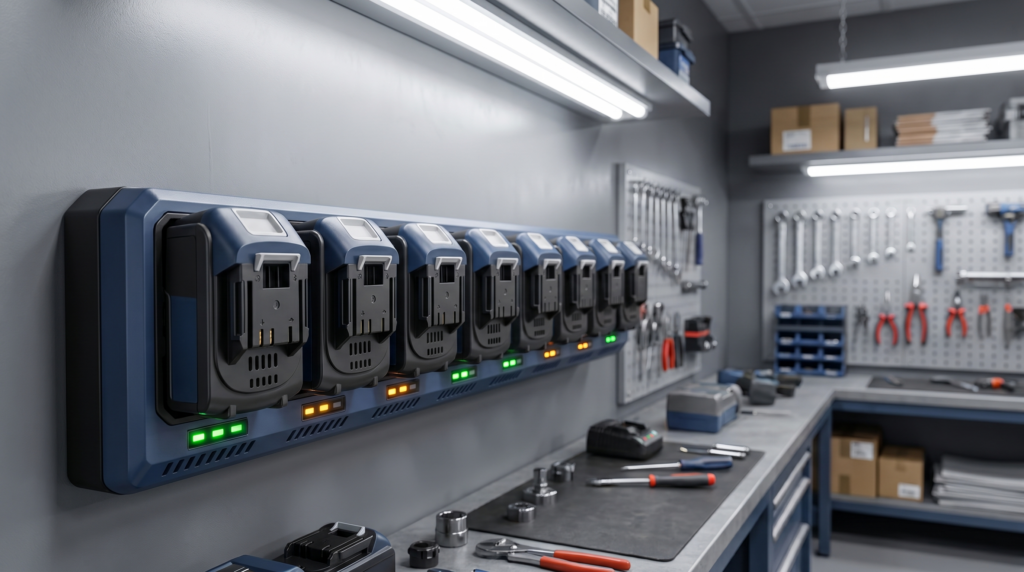
Battery-related mistakes are among the leading causes of cordless tool failure.
Common errors include:
* Leaving batteries fully discharged for long periods
* Using incompatible chargers
* Storing batteries in extreme temperatures
How to avoid it:
* Charge batteries according to manufacturer guidelines
* Store in dry environments
* Avoid direct sunlight and freezing temperatures
Proper battery care can dramatically improve battery lifespan.
6. Neglecting Lubrication
Certain power tools contain gears and moving parts that require lubrication.
Without proper lubrication:
* Friction increases
* Components wear faster
* Efficiency decreases
How to avoid it:
Follow maintenance schedules and use recommended lubricants only.
—
7. Improper Storage
Even high-quality tools deteriorate when stored incorrectly.
Common storage problems include:
* High humidity
* Exposure to dust
* Temperature fluctuations
How to avoid it:
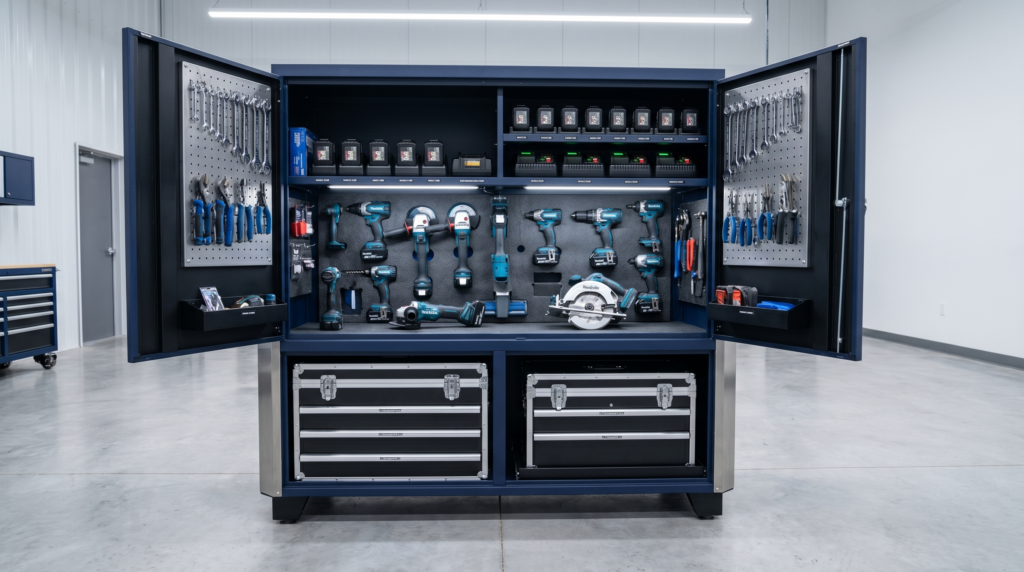
Store tools in:
* Dry locations
* Protective toolboxes
* Dedicated storage cabinets
Proper storage reduces corrosion and mechanical damage.
—
8. Pulling on Power Cords
Many corded tools fail because users pull them by the cable rather than the handle.
This practice can:
* Damage internal wiring
* Cause loose connections
* Create electrical hazards
How to avoid it:
Always carry tools using designated handles and inspect cords regularly.
—
9. Ignoring Early Warning Signs
Minor issues often become major repairs when ignored.
Watch for:
* Unusual noise
* Excessive vibration
* Reduced power
* Visible sparks
How to avoid it:
Stop using the tool immediately and inspect it before further operation.
Early intervention usually prevents costly repairs.
—
10. Skipping Routine Maintenance
Many users only perform maintenance after a problem occurs.
Preventive maintenance is far more cost-effective than repairs.
A simple maintenance checklist should include:
* Cleaning
* Accessory inspection
* Battery inspection
* Fastener tightening
* Lubrication checks
* Storage condition review
Creating a monthly maintenance routine can greatly increase tool reliability.
Final Thoughts
Power tools are valuable investments. Most premature failures are caused not by manufacturing defects, but by avoidable user mistakes.
By cleaning tools regularly, using appropriate accessories, maintaining batteries properly, and following a preventive maintenance schedule, users can extend tool life, improve safety, and reduce operating costs.
A few minutes of maintenance today can save significant repair expenses tomorrow.